
Best Solar Inverter Brands in Pakistan 2026
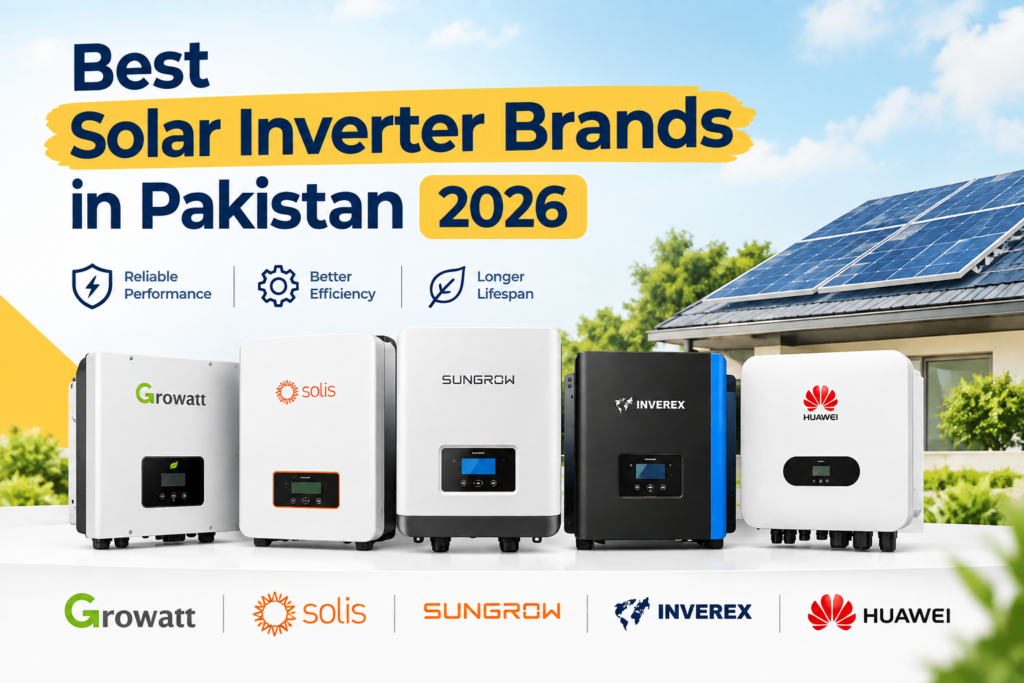
Choosing the right inverter can change how well your solar system works for years.
In Pakistan, buyers usually compare brands such as Huawei, GoodWe, Solis, Growatt, Deye, Sungrow, Inverex, and Knox. Each brand has different inverter types, battery compatibility, monitoring features, power ranges, and local support.
So which one should you buy?
The answer depends on your system. A 5kW home that needs battery backup has different requirements from a 20kW commercial system or a simple on-grid setup.
This guide compares the major solar inverter brands in Pakistan and explains where each one fits.
Best solar inverter brands in Pakistan
Here are some of the brands commonly found in Pakistan’s solar market:
| Brand | Common use | Inverter types | Suitable for |
|---|---|---|---|
| Huawei | Premium solar systems | On-grid, battery-ready systems | Homes and commercial projects |
| GoodWe | Hybrid and battery storage | Hybrid, on-grid | Homes and businesses |
| Solis | Residential and commercial | Hybrid, on-grid | Homes and small businesses |
| Growatt | Residential solar | Hybrid, on-grid | Homes and small commercial systems |
| Deye | Battery-based systems | Hybrid, on-grid | Homes and larger backup systems |
| Sungrow | Residential and commercial | Hybrid, on-grid | Homes, businesses and larger projects |
| Inverex | Local residential market | Hybrid, off-grid, on-grid | Homes and small systems |
| Knox | Pakistani residential market | Hybrid, on-grid | Homes and commercial systems |
There isn’t one inverter brand that fits every solar installation.
The better question is which brand has the right inverter for your panel capacity, battery setup, electrical supply, backup requirements and budget.
1. Huawei
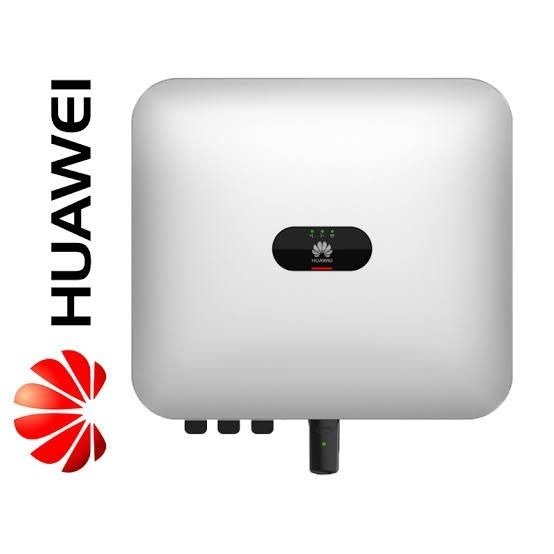
Huawei is widely known for its Smart PV equipment and is positioned toward higher-end solar installations.
Huawei’s SUN2000 range includes residential and commercial inverters, while its system can also use power optimizers and LUNA energy storage products.
For example, Huawei’s current SUN2000-12K/15K/17K/20K/25K-MB0 range has a maximum efficiency of 98.4%, 2 MPPT trackers and support for Huawei’s LUNA battery systems. The models also include protection functions such as anti-islanding, DC and AC surge protection, and arc-fault protection.
Huawei is worth considering when you want:
- A premium inverter platform
- Detailed system monitoring
- Power optimizer compatibility
- A coordinated battery and inverter system
- Residential or commercial installations
Huawei’s optimizer system can be useful when rooftop conditions are complicated. Shading, different roof orientations and mismatched panel conditions can make panel-level control useful.
The trade-off is cost. Huawei equipment generally sits toward the higher end of the market, and you should check local installer support before committing to a particular model.
2. GoodWe
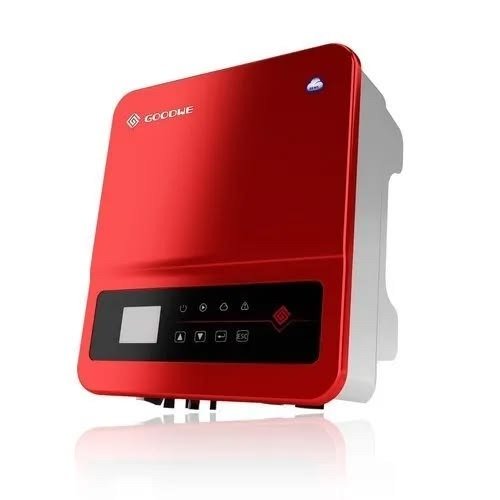
GoodWe has a strong focus on hybrid systems and battery storage.
Its ET PLUS+ series, for example, is designed for 3-phase hybrid applications. The current range includes 5kW, 6.5kW, 8kW and 10kW models, with battery voltage from 180V to 600V. The 10kW GW10K-ET model has 11kVA maximum apparent power to the grid and 10kVA backup output.
GoodWe makes sense for a homeowner who wants solar today and battery storage as part of the system.
It also has a range of on-grid and commercial products, so the brand can cover systems much larger than a typical 5kW home installation.
When comparing GoodWe models, check the exact battery voltage, MPPT current, backup output and battery compatibility. Two GoodWe inverters with similar output ratings can have very different system requirements.
3. Solis
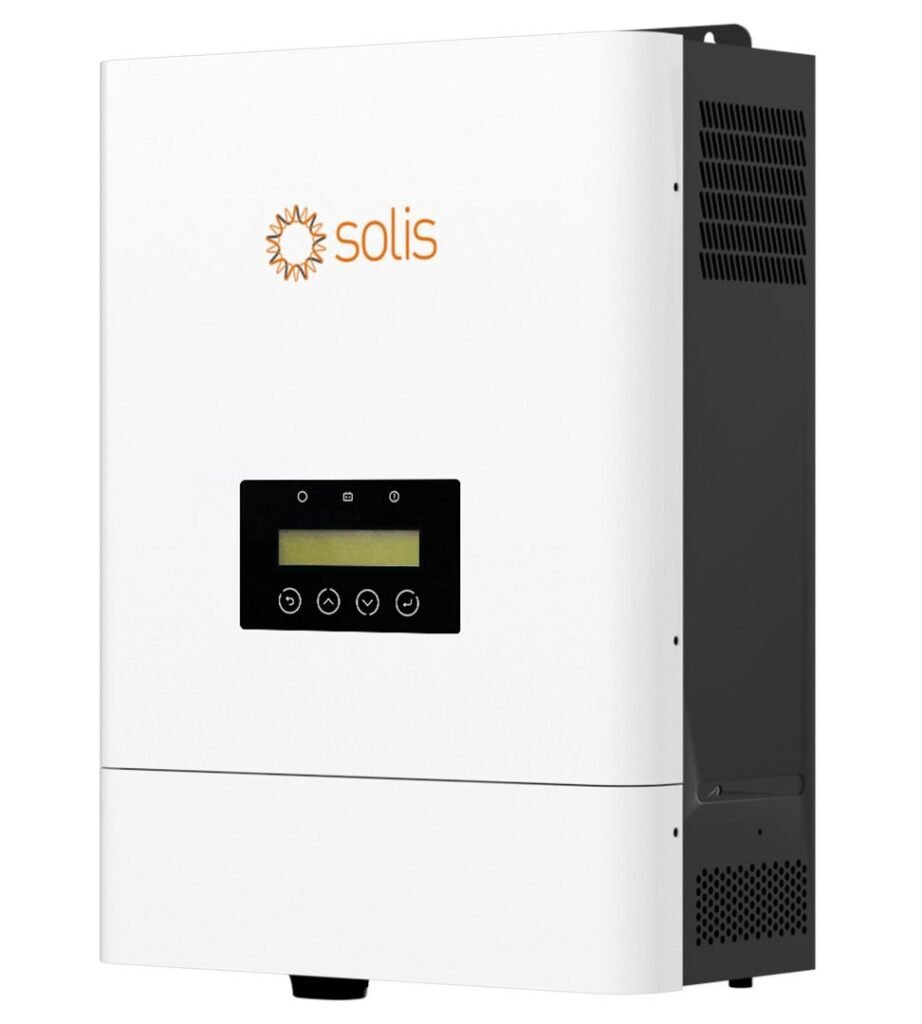
Solis is another major name in residential solar.
Its S6-EH1P(3-10)K-L-PLUS series covers single-phase hybrid systems from 3kW to 10kW. The series uses a 40V to 60V battery system, has 2 MPPTs and supports lithium and lead-acid batteries. Solis also lists features such as generator compatibility, AC coupling and parallel operation.
That combination makes Solis interesting for Pakistani homes where battery backup is part of the plan.
The newer models also support higher PV input current. The S6 series can accept up to 21A per MPPT on applicable models, which is useful when paired with newer high-current solar panels.
For a typical home, look at:
- 5kW hybrid models
- 6kW hybrid models
- 8kW hybrid models
- 10kW hybrid models
But don’t choose by inverter size alone. Check your home’s maximum load and the power required by air conditioners, pumps, refrigerators and other heavy appliances.
4. Growatt
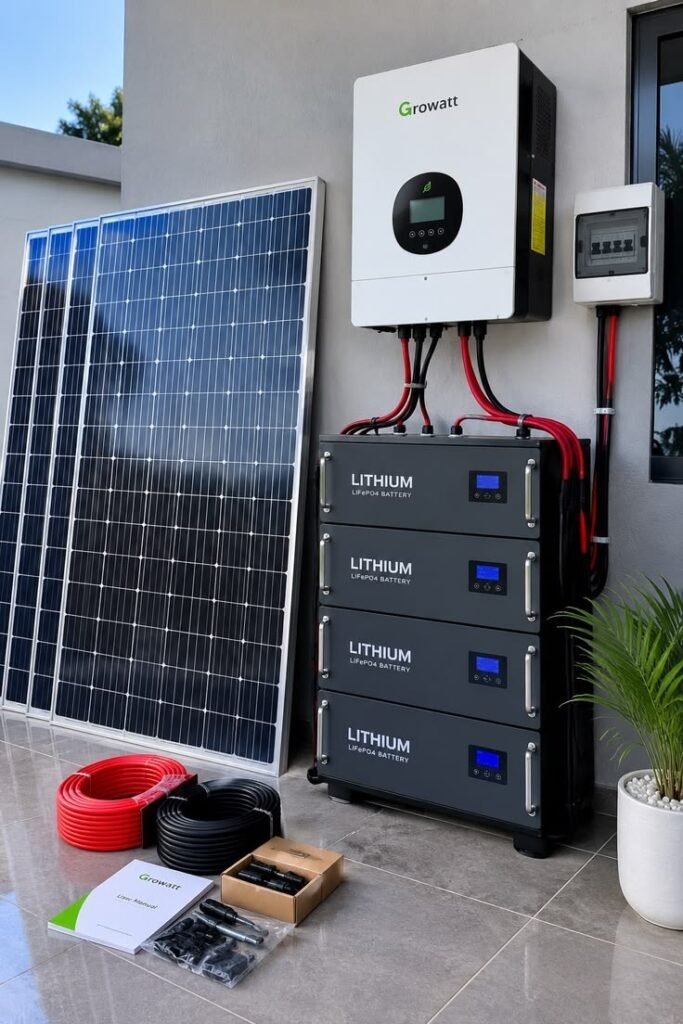
Growatt is popular in residential solar markets and has a broad range of smaller inverters.
Its residential products include battery-ready on-grid models and hybrid systems. Growatt’s current MIN series lists efficiencies around 98.4% to 98.5%, depending on the model and product version, with dual or multiple MPPT configurations across its residential ranges.
One useful feature in the XH range is the ability to add battery storage to a compatible inverter system.
For example, Growatt’s MIN 5000TL-XH product documentation lists a 5kW AC output and compatibility with the ARK XH battery system.
Growatt can fit homeowners who want a residential inverter with a relatively broad ecosystem of compatible equipment.
Before buying one in Pakistan, check whether the exact model being offered is an international, regional or older version. Inverter model names can look almost identical while electrical specifications differ.
5. Deye
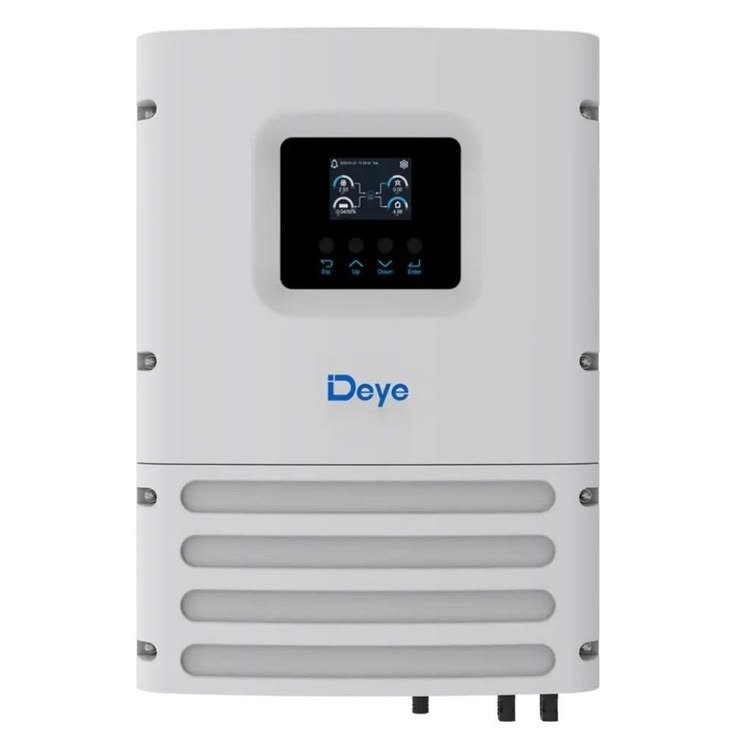
Deye has become a familiar name in battery-based solar systems.
Deye’s hybrid inverter range includes single-phase and 3-phase models, with products designed for solar generation, batteries, grid supply and backup loads.
Its SUN series includes models such as the SUN-5K-SG04LP1-EU and larger units. Deye’s battery systems commonly use low-voltage lithium battery configurations, which makes the brand relevant to homeowners building a backup-focused system.
Deye is worth looking at when your priority is battery backup and flexible load management.
The exact inverter matters a lot here. Check:
- Battery voltage
- Maximum battery charging current
- Maximum PV input
- Backup output
- Number of MPPTs
- Single-phase or 3-phase operation
- Generator compatibility
These specifications determine whether the inverter will actually suit your home.
6. Sungrow
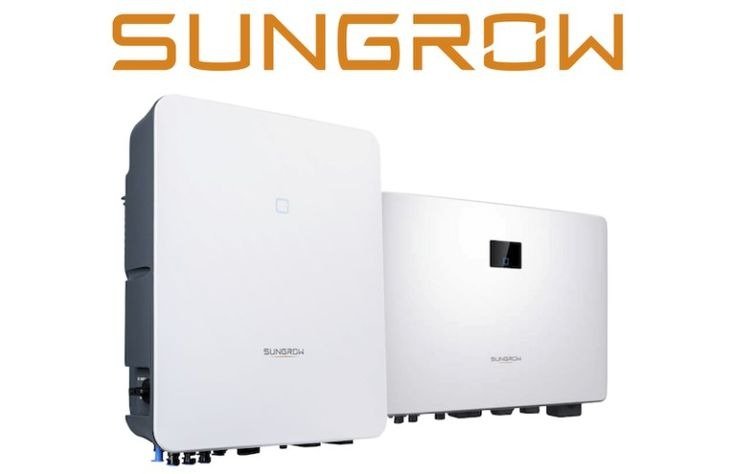
Sungrow manufactures residential, commercial and utility-scale solar inverters.
Its residential hybrid range includes the SH3.0RS through SH6.0RS series. Sungrow describes these as single-phase hybrid inverters that can operate in both on-grid and off-grid PV systems, with an energy management system controlling the flow of electricity between the solar array, battery, home and grid.
Sungrow is useful when you want a manufacturer with products across different system sizes.
For a Pakistani homeowner, the main question is local support. A technically capable inverter still needs proper installation, commissioning, firmware support and warranty service.
So check the distributor and service arrangement for the exact model before paying.
7. Inverex
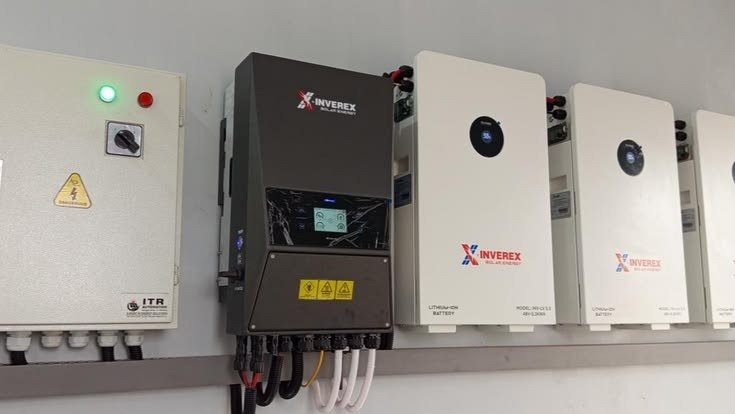
Inverex is a familiar name in Pakistan’s residential solar market.
Its product range includes hybrid, on-grid and smaller solar inverter systems. Current Veyron II models include 4.2kW and 6.2kW units, among others.
The Veyron II 4.2kW model, for example, supports up to 8kW of PV according to the manufacturer’s product information, with a 60V to 450V MPPT range. It also has dual outputs for load management and can operate without a battery.
The Veyron II 6.2kW model supports up to 9kW of PV, has a 120V to 450V MPPT range and supports parallel operation of up to 9 units according to the published product information.
For Pakistani buyers, Inverex can be particularly relevant when local availability and service arrangements matter.
Still, compare the exact inverter specification with imported alternatives before making the decision.
8. Knox
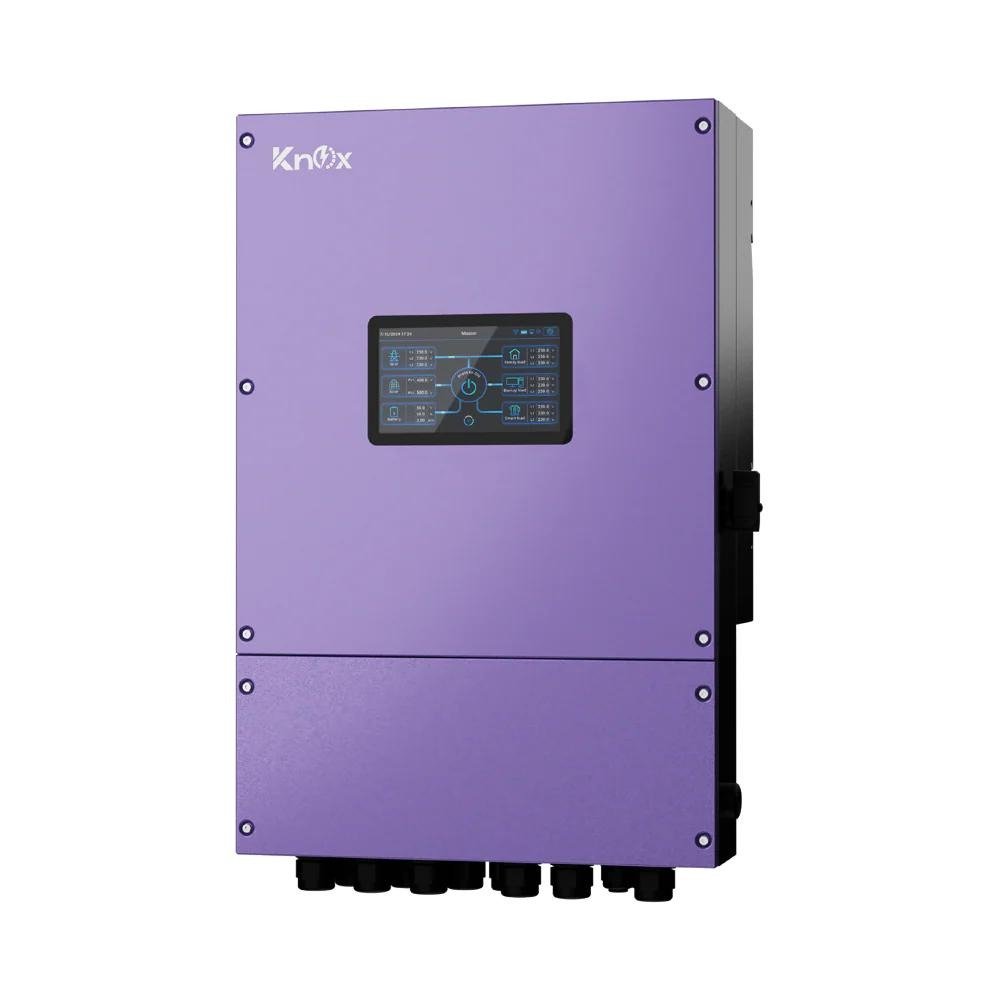
Knox has a growing presence in Pakistan’s solar market.
Its current product range includes hybrid and 3-phase inverters. Knox’s local shop currently lists the Zynex hybrid series and Xerox G4 Pro 3-phase models, covering residential and larger installations.
The Zynex range is aimed at hybrid solar systems and includes features such as multiple MPPT inputs and on-grid/off-grid operation.
Knox is worth comparing when you’re getting quotations from Pakistani installers and want a locally available option.
As with every brand, look beyond the sticker price. Ask about the warranty process, replacement arrangements, battery compatibility and who will handle a fault after installation.
Which solar inverter is right for a 5kW system?
A 5kW solar system is one of the most common residential sizes in Pakistan.
Several brands have suitable products, but the right choice depends on whether you want a simple grid-connected system or battery backup.
| Requirement | Brands to compare |
|---|---|
| On-grid residential system | Huawei, Growatt, Solis, Sungrow |
| Hybrid system with battery | GoodWe, Solis, Growatt, Deye, Sungrow |
| Premium monitoring and optimizer system | Huawei |
| Low-voltage battery system | Solis, Deye and selected hybrid models |
| Local Pakistani product support | Inverex, Knox |
| Larger commercial systems | Huawei, GoodWe, Sungrow, Solis |
This table is a starting point, not a ranking. The exact model and local service arrangement matter more than the brand name alone.
What about a 10kW solar inverter?
A 10kW system needs more careful electrical planning.
At this size, you may be dealing with a 3-phase electrical connection, particularly in larger homes and commercial properties.
GoodWe’s ET PLUS+ range, for example, includes a 10kW 3-phase hybrid model. Huawei also has commercial and larger residential products well above 10kW.
Before choosing a 10kW inverter, check:
- Single-phase or 3-phase supply
- Maximum household load
- Solar panel capacity
- MPPT voltage range
- Maximum PV current
- Battery voltage
- Backup load requirements
- Grid connection requirements
The inverter’s AC rating should match the electrical design of the property.
What should you check before buying a solar inverter?
The brand name is only the beginning.
1. Inverter capacity
A 5kW inverter can supply up to its rated AC output under the conditions specified by the manufacturer.
Check your actual load before selecting the capacity.
If your house regularly runs several air conditioners, water pumps and other high-power appliances together, a 5kW inverter may not be enough.
2. MPPT voltage range
MPPT stands for Maximum Power Point Tracking.
The MPPT range tells you the voltage range where the inverter can track solar panel output effectively.
Your panel string voltage must fit inside this range.
3. Maximum PV input
An inverter may allow a solar array larger than its AC output.
For example, a 5kW inverter might accept more than 5kW of connected PV capacity, depending on its datasheet.
Never assume that every 5kW inverter accepts the same amount of solar power.
4. Battery compatibility
If you’re buying a hybrid inverter, check the battery specifications carefully.
Look at:
- Battery voltage
- Battery chemistry
- Maximum charging current
- Maximum discharge current
- BMS communication
- Supported battery brands
A battery and inverter need compatible electrical and communication requirements.
5. Backup power
Ask exactly which loads the inverter can power during an outage.
Some systems have a dedicated backup output. Others require additional equipment or have different limits during battery operation.
6. Warranty
Read the actual warranty terms.
Ask who handles the warranty in Pakistan, where the service centre is located, and what happens if the inverter needs replacement.
A warranty printed on a quotation means little if the seller can’t explain the claim process.
7. Monitoring
A good monitoring system lets you see solar generation, household consumption, battery charging and grid usage.
That information makes it easier to spot problems such as a sudden drop in generation.
Solar inverters and Pakistan's 2026 prosumer rules
Pakistan’s grid-connected solar rules changed in 2026.
NEPRA notified the National Electric Power Regulatory Authority (Prosumer) Regulations, 2026 in February, and its legal database lists further amendments, including an amendment dated August 6, 2026.
That matters when you’re buying an inverter for a new grid-connected solar system.
The regulations define eligible applicants for interconnection as 3-phase 400V or 11kV consumers, among other requirements.
So don’t buy an inverter based on an old net-metering article or an installer’s previous project.
Check the current NEPRA requirements and your distribution company’s process before finalizing the system.
NEPRA’s current licensing pages also show active 2026 prosumer applications and concurrences across distribution companies including LESCO, MEPCO, PESCO and others.
Final buying checklist
Before paying for a solar inverter in Pakistan, check these 10 things:
- Exact model number
- Inverter capacity
- Single-phase or 3-phase output
- Maximum PV input
- MPPT voltage and current
- Battery compatibility
- Backup output
- Warranty and local service
- Monitoring system
- Compatibility with current grid connection requirements
The best solar inverter brand for your home depends on the system you are building.
Huawei, GoodWe, Solis, Growatt, Deye, Sungrow, Inverex and Knox all have products worth comparing. Start with your electrical requirements, then compare suitable models on specifications, battery compatibility, warranty and local support.
That approach will give you a much better answer than choosing an inverter simply because its brand is popular.
FAQs
Which is the best solar inverter brand in Pakistan?
There is no single brand that suits every Pakistani solar system. Huawei, GoodWe, Solis, Growatt, Deye, Sungrow, Inverex and Knox all have products for different applications.
The right choice depends on system size, battery requirements, electrical phase, backup needs, budget and local service.
Which inverter is best for a 5kW solar system?
A 5kW system can use several inverter brands, including Solis, Growatt, GoodWe, Huawei and others.
First decide whether you need on-grid operation or battery backup. Then compare the exact models for PV input, MPPT range, battery compatibility and warranty.
Which inverter is best for a hybrid solar system?
GoodWe, Solis, Growatt, Deye and Sungrow all have hybrid inverter ranges.
The suitable model depends on your battery voltage, required backup load, solar panel capacity and electrical supply.
Is Huawei inverter good for solar in Pakistan?
Huawei has a broad Smart PV range with high-efficiency inverters, monitoring and optimizer compatibility. Its current Pakistan-listed SUN2000 products include residential and commercial models.
Local service availability should still be checked before purchase.
How long does a solar inverter last?
A solar inverter can operate for many years, but actual service life depends on the model, installation, operating temperature, dust, electrical conditions and maintenance.
The manufacturer’s warranty gives you a better indication of the support period for a specific model.
Can I add batteries later?
Some on-grid inverters are battery-ready, while others require a different inverter or additional equipment.
If you expect to add batteries later, confirm that the exact inverter model supports the battery system you plan to use.
Does inverter brand affect solar generation?
The inverter affects conversion efficiency, MPPT performance and system operation.
Panel orientation, shading, temperature, wiring losses and the solar array itself also have a major effect on the electricity your system produces.