
Solar Battery for Home: Types, Capacity, Backup and Cost
You want power when the grid fails. A solar battery stores energy for night use or outages. Most homes need 5kWh to 15kWh capacity. Prices range widely based on chemistry and brand.
I see many homeowners overspend on capacity they don’t need. Others buy cheap units that fail in two years. You need the right fit for your load.
This guide covers types, sizing, and current market costs. You will find specific numbers to help your decision.
Types of Solar Batteries
Three main chemistries exist in the residential market. Each has distinct pros and cons. Your choice depends on budget and usage patterns.
Lead Acid Batteries
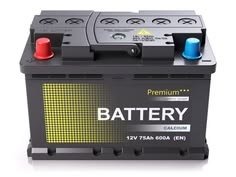
These are the traditional choice. They cost less upfront. You pay for them again sooner. Lifespan sits around 3 to 5 years. They require ventilation. Maintenance checks are necessary.
Pros:
- Low initial cost
- Recyclable technology
- Widely available
Cons:
- Short lifespan
- Requires maintenance
- Lower depth of discharge (50%)
Lithium-Ion (NMC)
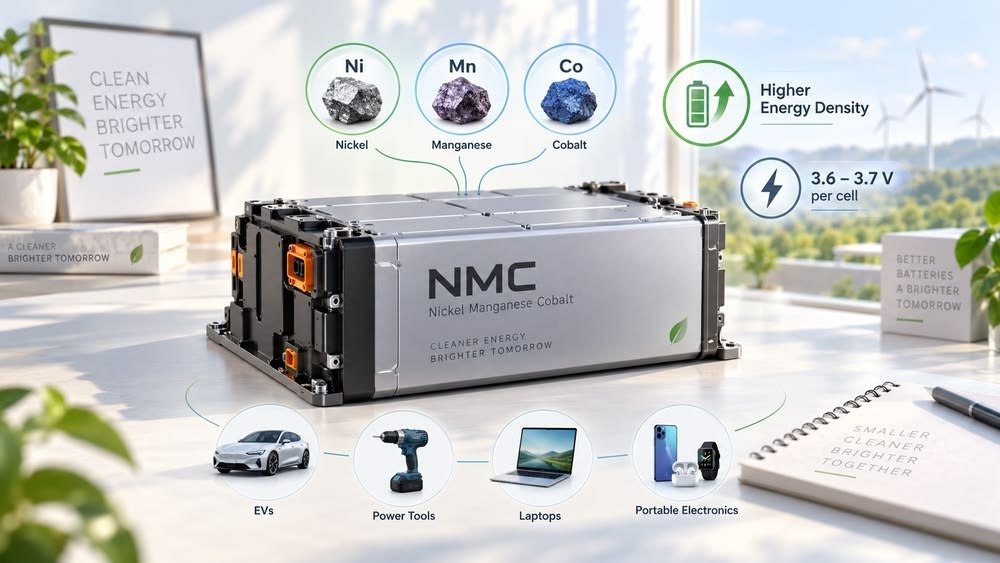
Nickel Manganese Cobalt batteries are common in older lithium systems. They offer high energy density. They fit in smaller spaces. Safety concerns exist regarding thermal runaway.
Pros:
- High energy density
- Compact size
- Long lifespan (8-10 years)
Cons:
- Higher cost than lead acid
- Safety risks if damaged
- Cobalt sourcing issues
Lithium Iron Phosphate (LiFePO4)
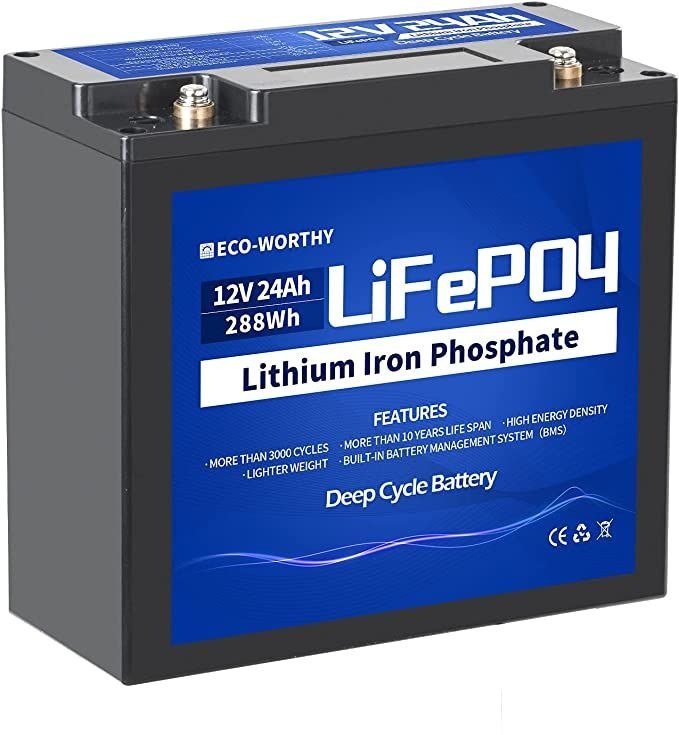
This is the modern standard. I recommend this for most homes. They last 10 to 15 years. No maintenance is required. They discharge deeper without damage. Safety is superior to NMC.
Pros:
- Longest lifespan
- Safest chemistry
- 100% depth of discharge available
- No maintenance
Cons:
- Higher upfront cost
- Heavier weight
Battery Comparison Table
Use this table to compare options quickly. Prices are estimates per kWh.
| Feature | Lead Acid | Lithium (NMC) | Lithium (LiFePO4) |
|---|---|---|---|
| Lifespan | 3-5 Years | 8-10 Years | 10-15 Years |
| Depth of Discharge | 50% | 80-90% | 100% |
| Maintenance | Required | None | None |
| Cost per kWh | $200 – $400 | $300 – $600 | $400 – $800 |
| Safety | Moderate | Moderate | High |
| Warranty | 1-2 Years | 5 Years | 10 Years |
Understanding Capacity and Backup
Capacity measures how much energy the battery holds. It is measured in kilowatt-hours (kWh). A 5kWh battery runs essential loads for a few hours. Think lights, wifi, and a fridge. A 15kWh unit handles more. You might run an AC unit for a short time.
Calculate your daily usage first. Check your electricity bill. Look for kWh per day. Match the battery to that number.
How to Calculate Your Needs
You need to list your appliances. Multiply watts by hours of use. Divide by 1000 to get kWh.
Example Calculation:
- LED Lights: 50 watts x 5 hours = 250 Wh
- Wifi Router: 20 watts x 24 hours = 480 Wh
- Refrigerator: 150 watts x 8 hours = 1200 Wh
- TV: 100 watts x 4 hours = 400 Wh
- Total Daily Need: 2.33 kWh
A 5kWh battery covers this load with room to spare. You account for inefficiencies this way.
Live Battery Calculator.
Backup Time Estimates
Backup time depends on consumption. Running a geyser drains power fast. LED lights use very little. Prioritize critical circuits during an outage.
Estimated Backup Times (5kWh Battery):
- Lights + Wifi: 20+ hours
- Lights + Fridge + Wifi: 8-10 hours
- Lights + Fridge + 1 AC (1 Ton): 2-3 hours
- Whole House Load: 30-60 minutes
Solar Battery Cost Breakdown
Prices fluctuate with raw material costs and import duties. I will give you current market ranges. Verify these numbers with local installers.
Battery Unit Costs
Lead Acid Banks
Expect to pay $200 to $400 per kWh. A 5kWh bank costs around $1,000 to $2,000. Replacement costs add up over time.
Lithium-Ion Systems
Prices range from $400 to $800 per kWh. A 5kWh lithium unit costs $2,000 to $4,000. Installation fees are separate. Expect $500 to $1,500 for labor.
Additional Costs
You might need extra equipment. Check your current setup.
- Hybrid Inverter: $1,000 to $2,500 (if upgrading)
- Battery Cabinet/Enclosure: $200 to $500
- Wiring and Breakers: $300 to $600
- Permits: Varies by location
Prices change with dollar rates. Verify current rates before buying. Warranty terms affect value. A cheap battery with a 1-year warranty is risky.
Lifespan and Warranty
Battery life is measured in cycles. One cycle equals one full charge and discharge.
Cycle Ratings:
- Lead Acid: 500 – 1,000 cycles
- Lithium NMC: 2,000 – 4,000 cycles
- LiFePO4: 4,000 – 6,000 cycles
Depth of discharge impacts these numbers. Draining a lead acid battery to 0% kills it fast. Lithium handles deep discharges better.
Warranty terms vary by brand. Look for throughput guarantees. Some warranties cover years. Others cover energy throughput. Read the fine print.
Installation and Safety
Professional installation matters. High voltage DC power is dangerous. Incorrect wiring causes fires.
Ensure ventilation for the battery room. Heat kills battery life. Keep them out of direct sunlight.
Safety Checklist:
- Install a DC disconnect switch.
- Use proper gauge wiring.
- Ensure grounding is correct.
- Keep flammable materials away.
Check local regulations. Some areas require specific permits for storage. Net metering rules change. Your utility company might have specific interconnection requirements.
Return on Investment
Batteries save money during outages. They also store cheap solar power for night use. Payback period varies.
In areas with frequent outages, the value is high. Food spoilage prevention alone justifies the cost. In stable grid areas, payback takes longer. Focus on energy security rather than just savings.
Factors Affecting ROI:
- Local electricity rates
- Frequency of power outages
- Solar system size
- Battery lifespan
Next Steps
Assess your critical loads. List the appliances you need during an outage. Contact three local installers for quotes. Compare warranty terms, not just price. Get a site survey done.
Frequently Asked Questions
How many batteries do I need for a 5kW solar system?
One 5kWh lithium battery usually pairs well with a 5kW system. Larger systems may need two or more.
Can I add a battery to my existing solar system?
Yes, if your inverter is hybrid-ready. Older inverters might need replacement. Check the DC voltage compatibility.
How long does a solar battery last?
Lithium batteries last 10 to 15 years. Lead acid lasts 3 to 5 years. Cycle depth affects lifespan.
Is a solar battery worth it?
It depends on your grid stability. If outages are frequent, yes. If grid power is cheap and stable, calculate the payback period carefully.
Do solar batteries work during a blackout?
Yes, if configured correctly. The system must island itself from the grid for safety.
What maintenance do solar batteries require?
Lithium batteries need zero maintenance. Lead acid requires water topping and terminal cleaning.